
Overview
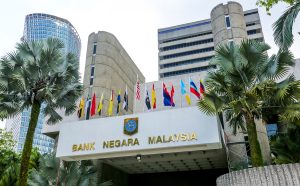
As 2025 comes to a close and Visit Malaysia Year 2026 (VMY 2026) gathers momentum, the capital of Kuala Lumpur (KL) as well as surrounding Selangor stand out as the perfect starting points for travellers and tourists eager to experience the country’s cultural depth, flavours, and homegrown wellness traditions.
With more than 30 million tourist arrival to Malaysia each year, the country offers a wide range of unique food and herbs that defines Malaysia as a truly Asia – from ancient rainforest food staples, remedies, to multicultural street food, and there are few culinary icons that travellers need to experience in 2026.
Dishes such as curry is already known in the UK, but having a mamak-style curry with roti canai ending with a Musang King durian for dessert while sipping a glass of hot Tongkat Ali coffee is a unique experience that every traveller needs to experience.
Our research white paper brings data-driven approaches to consumer insights that help travellers, visitors and tourists to zoom into what are the top food and herbs that you should try (at least once in their lifetime) when visiting Malaysia. Beyond the social media hype, some of the foods and herbs in Malaysia are grounded in strong historical cultures, decades of natural wellness traditions and science-backed benefits that may appeal to you during your visit to KL / Malaysia.
Objectives
Our research team analyse historical consumer data (from organic search volume and social media data) to arrive at social insights on what makes Malaysia a popular food destination, which includes the top popular dishes, herbs and fruits.
The objective is to utilize data-driven answer to the following questions:
- What’s the popular type of food, dishes and herbs that tourist search for when visiting Malaysia?
- Where can I find the best food to eat or which food product (or brands) that I should buy when visiting Malaysia?
Methodology & Analysis
We combine search data from two primary sources, i.e Google search data (from 2024-2025) and data from social media platforms (i.eg Facebook, X, TikTok, news, discussion forums, and Instagram) based on common keywords/dialects related to popular food, dishes, fruits and herbs in Malaysia.
As additional checks, the raw data obtained from these primary sources were subsequently subjected to data cleaning by our team on independent data analysts and researchers to remove redundancies, duplications and irrelevant data to ensure data integrity remains intact. We found the error rate remains less than 1% after going through 3 rounds of data integrity test runs.
Results & Observations
Our analysis found that durian, nasi lemak, roti canai, Tongkat Ali and bird’s nest remained the top 4 food and herb that tourists are willing to try when visiting Malaysia based on organic search volume. These are common, popular and affordable food that offers more than just a unique taste, but some of which are considered healthy if consumed in moderate amount.
The popularity of Malaysian food, herb and spices were evidenced by the wide range of products and brands available in each category – most of these can be either be bought or experienced within the KL city, and in most parts of Malaysian major cities including Penang, Perak, Johor, Pahang and Terengganu.
| Topic | Core keyword + common variants | Estimated MY searches / month (range) | What people say (quick gist) |
| Durian | durian, musang king, black thorn, “durian near me”, “durian price” | 120k–500k (peak season), 40k–180k (off-season) | “Love it or hate it” smell; premium varieties get obsessive attention. (Big Data) |
| Nasi lemak | nasi lemak, “best nasi lemak”, “nasi lemak near me”, “nasi lemak recipe” | 90k–350k | Often described as the “must-try Malaysian breakfast” (coconut rice + sambal = the make-or-break). (Food & Wine) |
| Roti canai | roti canai, “roti canai near me”, “best roti canai”, “roti canai recipe” | 60k–220k | “Flaky, crispy outside, soft inside” — people rave about it with curry/dhal. (Facebook) |
| Bird’s nest | bird nest / bird’s nest, edible bird nest, “bird nest drink”, 燕窝 | 8k–60k | Framed as a “beauty food” (complexion/youthfulness) and also talked about for immunity; often seen as premium but increasingly “more affordable.” (Eu Yan Sang) |
| Tongkat Ali | tongkat ali, eurycoma longifolia, “tongkat ali benefits”, “tongkat ali dosage”, “where to buy” | 20k–120k | Commonly positioned as a Malaysian jungle herb; people search benefits/usage a lot. It’s even listed as a “must-buy” souvenir for travelers visiting Malaysia. (PMC) |
Below are five unmissable experiences in KL and Selangor that blend tradition, taste, and modern Malaysian life, perfectly aligned with tourists expectations -with strong emphasis on authentic, unique distinctive taste, science-backed benefits and affordability.
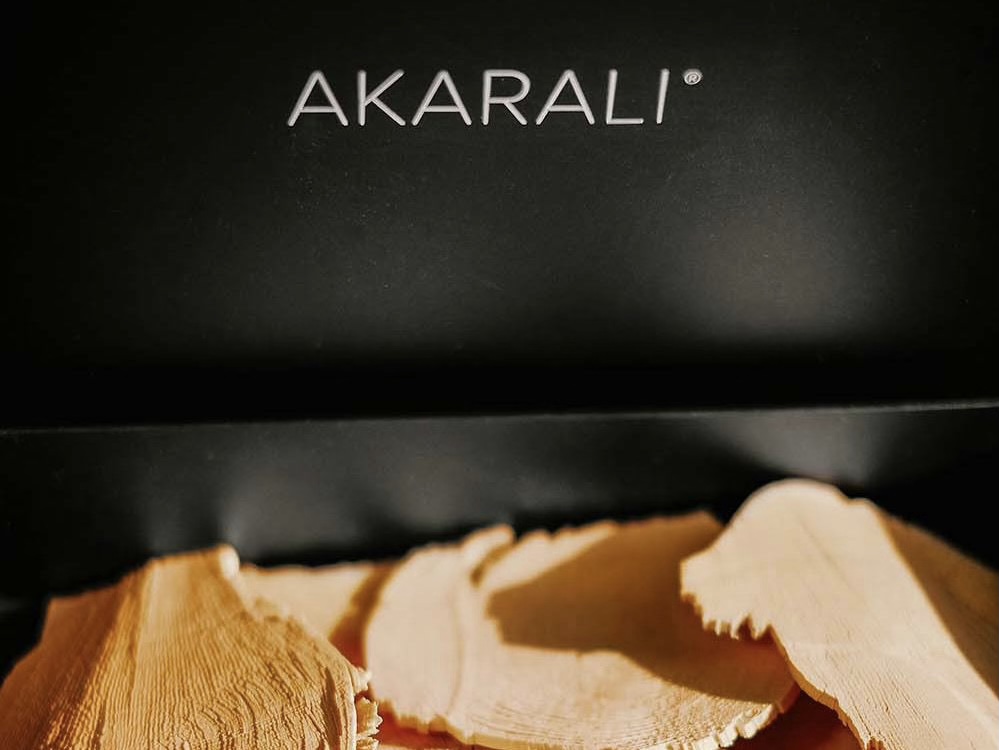
Native to Malaysia’s tropical rainforests, Tongkat Ali (Eurycoma longifolia) has positioned itself as a popular herb globally and amongst tourists looking for unique natural food-based products in Malaysia. Often referred to as Malaysian ginseng or Longjack in the US & UK, this adaptogenic herb has been used traditionally for generations to support energy, vitality, and overall well-being and it was first documented by botanist Sir William Jack during his first trip to Malaysia in 1820. This popular herb is often cited as “natural supplement for energy” is now available in coffee, energy drink, cocktails, powder and most commonly sold as a dietary/food supplement (capsules), making it a popular choice for travellers visiting Malaysia.
Our research showed that this traditional botanical has undergone a modern renaissance in the last two decades, and clinically-tested Malaysian Tongkat Ali root extracts are now earning global recognition by the American Botanical Council (ABC), health professionals in the US, UK and Australia, and widely used by endurance athletes and aging adults.
If you are travelling to Malaysia, Tongkat Ali appeal lies in a rare convergence of traditional knowledge, rigorous scientific validation, and health benefits to both men and women, making it one of the most popular anti-aging longevity dietary food supplement in the US, UK, Europe, Australia, and Singapore.
Although this is a must-try herb for first-time UK and American tourists and travellers to Malaysia, but one must be careful not to purchase any Tongkat Ali products on the street due to lack of regulatory controls over quality.
Look out for premium brands such as AKARALI that offers clinically tested, lab-tested using standardized hotwater extracts – available in both capsule or powder form as well as infused instant coffee, while others like Ayu Flores provide raw or organic preparations, including herbal brews and teas.
When purchasing Tongkat Ali in the form of supplements, travellers are encouraged to look for responsibly sourced and clinically tested products to ensure quality and efficacy. The best part, AKARALI offers the largest Tongkat Ali store in Malaysia, with local deliveries to anywhere to in the world and in Malaysia within 24-48 hours – best suited for busy travellers, visitors and tourists who want to experience the best natural food (in the form of herbal extract).
Why try it: A uniquely Malaysian wellness product rooted in rainforest biodiversity, traditional knowledge, and modern clinical testing.
Costs: RM50 – RM250
2. Edible Bird’s Nest: A Timeless Delicacy

Malaysia’s Bird’s Nest is amongst the popular must-try healthy herb if you are in travelling to Malaysia. Edible bird’s nest, formed naturally from the hardened saliva of swiftlets, has been prized for centuries in traditional Chinese wellness practices and imperial cuisine. Often associated with skin nourishment, immune support, and post-illness recovery, it is valued as much for its perceived restorative properties as for its rarity.
Today, Malaysia stands among the world’s leading producers of high-quality bird’s nest, elevating it from a traditional tonic to one of the country’s most distinctive luxury food products, where heritage, craftsmanship, and careful sourcing converge. High quality bird’s nest is popular with Chinese tourists, and those from Singapore too.
In Kuala Lumpur and Selangor, bird’s nest is widely available in ready-to-drink bottled forms from established and popular brands such as Lo Hong Ka, Sing Yan, and Eu Yan Sang. It has no side-effects, and it can be taken daily at moderate amount, although the price per bottle can be pricey.
For curious travellers, the experience can go further. You may visit authentic bird’s nest houses or stop by to Puchong’s Swiftlet Museum & Bird Nest Factory Experience Tour which offer an in-depth look at the history, harvesting, and meticulous processing behind this prized delicacy, revealing the craftsmanship that elevates it from ingredient to cultural icon.
Why try it: A rare cultural delicacy that reflects Malaysia’s role as a major global producer.
Costs: RM12 – RM400
3. Roti Canai: Street Food at Its Finest

Few foods capture Malaysia’s multicultural spirit quite like roti canai – the Asian “pancake” which comes in various variations such as roti canai telor (egg-filled), roti canai bawang (with slices of onion) and others.
This flaky, panfried flatbread, introduced through Indian-Muslim influences from centuries of history, is now a national and international favourite enjoyed at any hour of the day. Ranked as the 5th best bread in the world by TasteAltas, it is a must-try for tourists wishing to experience the best of Malaysian flavours.
Typically served with dhal or curry (also a popular dish in the UK), roti canai can be enjoyed plain or elevated with creative variations including savoury options like roti telur bawang (roti canai cooked with egg and onions) or with sweet fillings like banana.
Wellknown spots for the best freshly-cooked roti canai with 4.9 Tripadvisor ratings include Mansion Tea Stall in KL and neighbourhood stalls across Bangsar, Chow Kit, and Pantai Dalam. Affordable, filling, and endlessly satisfying, it is a musttry for firsttime visitors.
Why try it: An everyday Malaysian comfort food that is simple, soulful, flavourful and deeply loved.
Costs: RM4 – RM10
4. Durian: The King of Fruits
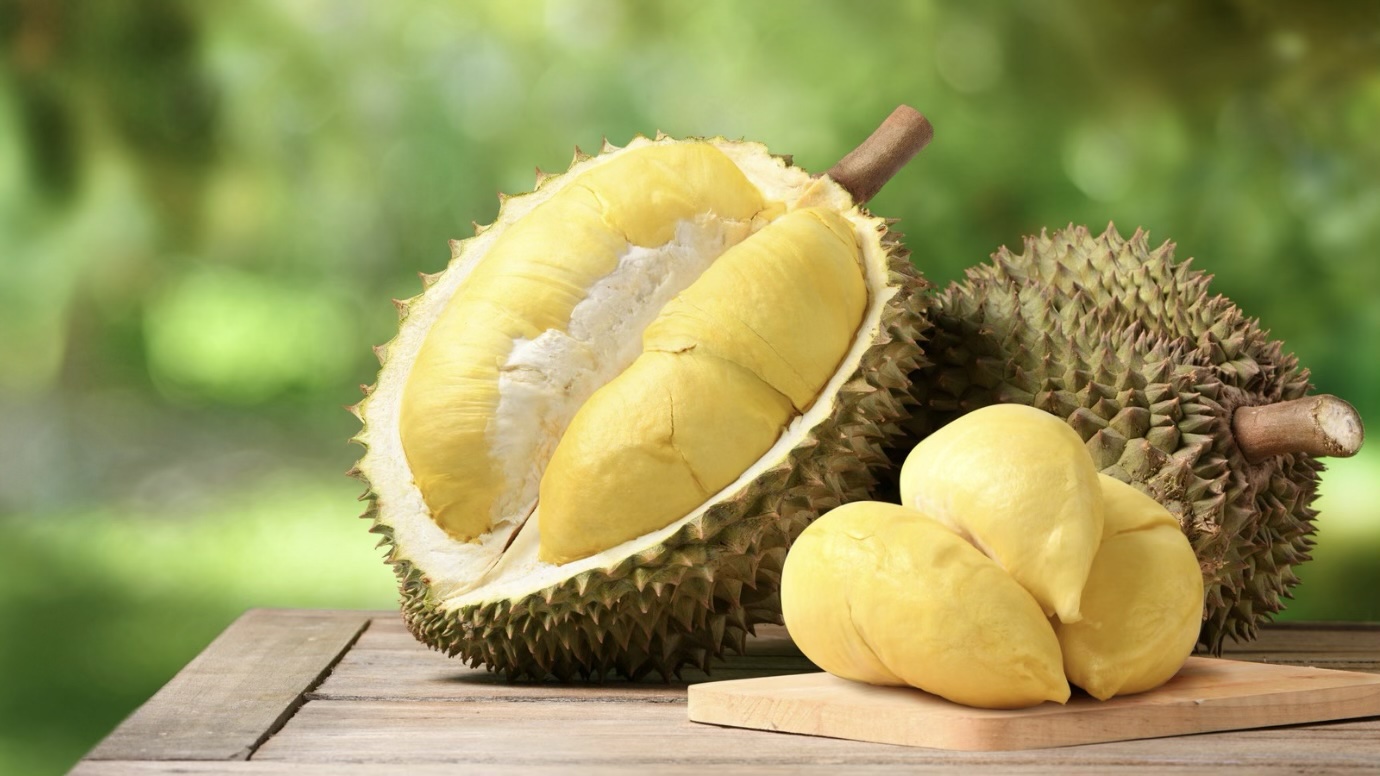
Durian is Malaysia’s most polarising yet celebrated fruit, renowned for its rich, custard-like texture, natural sweetness, and unmistakably pungent aroma.
Revered by devoted fans and approached cautiously by first-timers, premium Malaysian varieties such as Sultan (D24), Musang King (D197), and Black Thorn (D200) have fuelled growing regional and international demand. Each offers a distinct tasting experience, ranging from bittersweet and cocoa-like notes to deep caramel richness and lingering creaminess, making durian less a single flavour and more a spectrum of indulgent profiles. Our data suggests that durian is amongst the top fruit that tourists must try when visiting Malaysia, next to the well-known herb Tongkat Ali (or LongJack).
According to health experts and information found on healthline.com, durian fruit is “incredibly high in healthy nutrients, including B vitamins, vitamin C, minerals, plant compounds, healthy fats, and fiber” – this makes it an all rounded benefit if taken in moderate amount. A 1kg or 2kg of durian fruit can be shared by 2 people, and travellers are advised to take it in moderation to avoid feeling “heaty”
Travellers can sample fresh durian at dedicated spaces like DurianBB Park in KL or seasonal roadside stalls throughout Selangor, particularly from June to December. Beginners are advised to start with milder varieties like Sultan before progressing to richer, more intense flavours such as Black Thorn or Musang King.
Why try it: A bold culinary rite of passage that defines Southeast Asian food culture.
Costs: RM10 – RM100 per kg (depending on size, species)
5. Nasi Lemak: The Heart of Malaysian Cuisine

Often described as Malaysia’s national dish, nasi lemak brings together fragrant coconut rice, spicy sambal, anchovies, peanuts, and egg, with optional additions like fried chicken or rendang, a dry curry made of meat (usually beef or chicken) stewed in coconut milk and spices.
Its appeal cuts across ethnic and social lines, making it a true unifier on the Malaysian table. You will experience nasi lemak almost in every restaurants – served as one of the breakfast selection in 5-star hotels in Malaysia, on the street, in kopitiam, Chinatown or in mamak stalls, and even by the roadside stalls.
Based on our research and social media insights, popular destinations for locals and tourist to try nasi lemak include Village Park in Damansara for its iconic fried chicken nasi lemak and Nasi Lemak Burung Hantu in Taman Tun Doctors Ismail (TTDI) for those who enjoy a sambal with a spicier kick. Whether eaten at dawn or late at night, nasi lemak is an essential experience for any visitor to Malaysia.
Why try it: A single plate that captures Malaysia’s flavours, history, and everyday life.
Costs: RM5 – RM25 per serving
Conclusion: A Gateway to Malaysia’s Finest Food Travel
With a wide range of food, herbs and dishes to try, Visit Malaysia 2026 will excite travellers and tourists to go beyond iconic landmarks (eg: KLCC) or sprawling malls and into lived experiences. KL and Selangor offer an ideal introduction, where wellness traditions meet street food culture, and heritage coexists with modern urban life.
From rainforest roots to bustling food stalls, there are something for every travellers, tourists and those expat communities. Food binds us together as a diverse society, and these top five food and herbs provide an authentic taste of Malaysia, setting the tone for deeper exploration across the country.
Free Consultation & Demo

About the Author
Shahid Shayaa is the founder and managing director of Berkshire Media. He specializes in data-driven communication strategies and insights using social data analytics, social media monitoring tools and machine learning text algorithms for more than 13 years. As an expert in the field of media monitoring, issue management and managing reputation risks for companies, he is involved in various research studies in this field and published various scientific papers on social data analytics, sentiment analysis and back-end algorithms on consumer sentiment, emotions and behaviour for marketers and campaign managers.
His research work and studies have been cited more than 467 times, inspiring new research in the field of social analytics in Malaysia. You may view his work here.