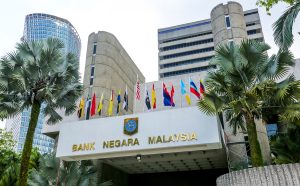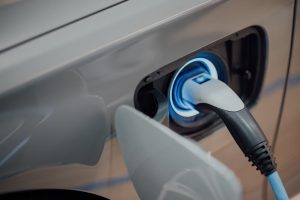
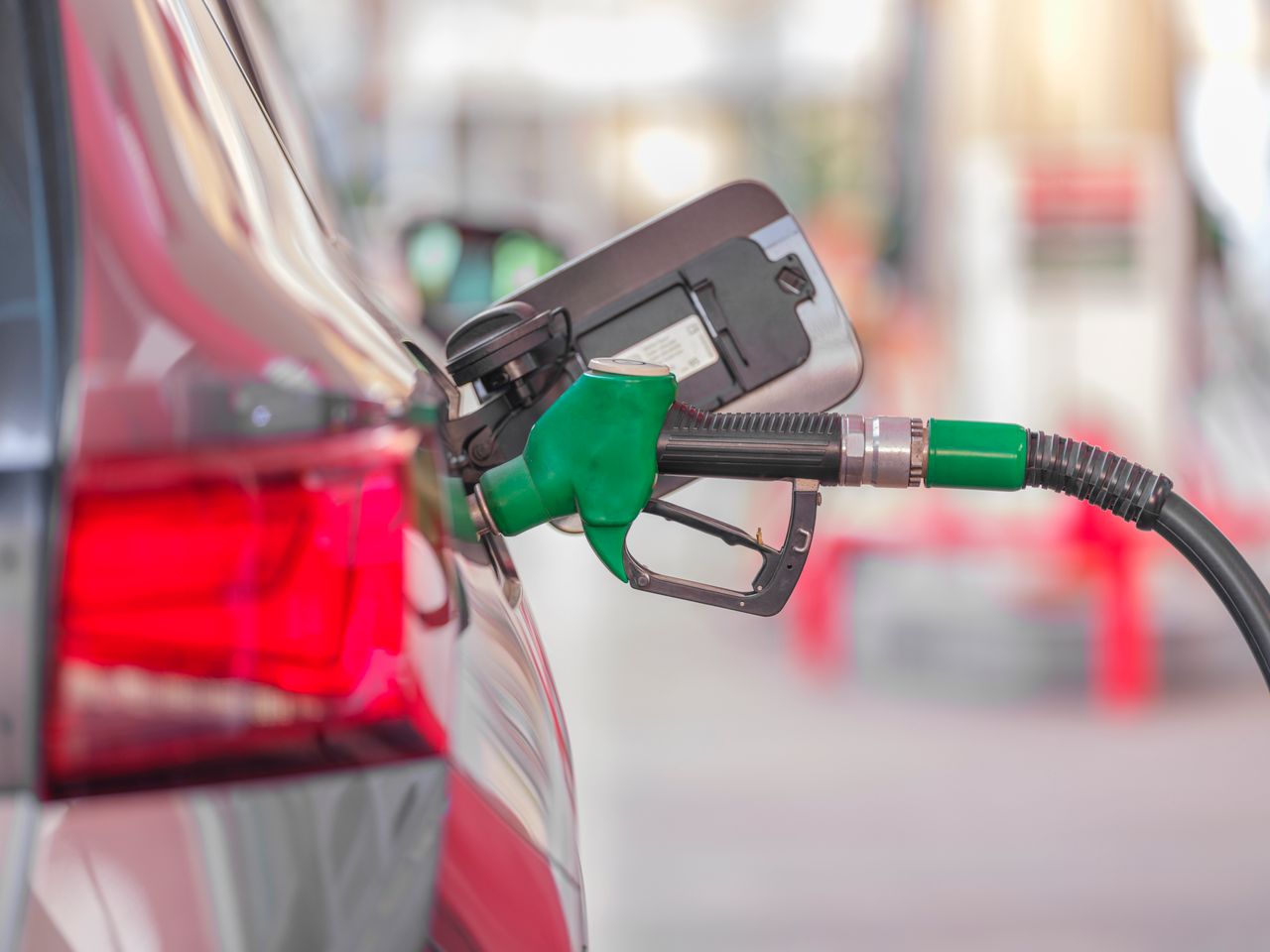
Malaysian motorists filling up at any petrol station are, in effect, choosing between five major networks: PETRONAS, Shell, Petron, Caltex and BHPetrol. Each sells broadly comparable fuel at broadly comparable regulated prices with slightly different offering in each station, thus this raises the question of what actually distinguishes one petrol station from another.
Ultimately, customers want to know which is the best petrol station brand in Malaysia and why.
To answer this, our deep-dive analysis draws directly on driver and consumer feedback using data-driven methodologies across multiple data points. The five strongest stations within each brand were identified, and more than 14,000 associated Google reviews were assessed and compared across ratings, network scale, electric-vehicle readiness, and the recurring themes — favourable and unfavourable — that emerge from customer commentary.
The findings are presented below in the same sequence as the accompanying dashboards for each petrol brand.
According to industry experts in Malaysia, more than 70% businesses owners are relatively busy and buying social media monitoring systems or tools alone may not extract the best value from insightful data and actionable insights. It means the social media intelligence system used by most Malaysian companies today are less effective than we thought it should, as AI-enabled automated insights from social media tools does not offer the deep-dive analysis and critical actions required to manage complex reputation risks or anticipate new rising trends.
But what truly makes a monitoring system, tools or social media analytics services effective? Here, we explore the top 10 features that determine the best social media monitoring system that adds the most value to businesses, backed by industry insights and expert analysis.
In summary: the largest networks are not the most highly regarded. More often than not, the deciding factor for drivers has little to do with the fuel itself.
THE BIG PICTURE
Bigger doesn't mean better
The assumption that the largest petrol network is also the best rated does not hold — and this is arguably the single most notable finding of the study. PETRONAS is the clear market leader, with more than a thousand stations nationwide. Yet on customer satisfaction, the highest ranking belongs to Petron, a mid-sized network whose best-performing stations average a notable 4.76 out of 5.
Across the five networks, several headline figures illustrate the extent of this divergence. Petron leads decisively on customer satisfaction, with a 4.76-star average across its strongest stations. PETRONAS remains the largest network by a clear margin, operating more than 1,000 stations nationwide, followed by Shell at upwards of 950. The single highest-rated station in the country is, notably, a Petron outlet in Krubong, Melaka, which holds a perfect 5.0-star rating across more than 900 reviews. Collectively, the five networks operate over 3,600 stations, and this study draws on 14,226 reviews of their flagship sites.
This gap is best explained by traffic volume. The market leaders occupy the busiest highway locations in the country, and high-traffic stations are placed under correspondingly greater strain — longer queues, more heavily used facilities, and fuller car parks. The smaller networks, competing more intensely for each customer, are consequently able to deliver a calmer and more consistent experience. Scale therefore brings reach, but it also brings the operational pressures that accompany higher footfall.
Summary
Scale and satisfaction pull in different directions. The two largest networks carry the most sites but not the highest ratings, while the smaller networks compete on service quality at a handful of standout stations.
THE SCORECARD
How the five networks stack up
Petron stands out as the clear leader — not only on rating, but on review volume as well, meaning its 4.76 average is supported by a substantial body of opinion rather than a small sample. Consistency of this kind, across a large number of reviews, is among the more reliable indicators available in this type of analysis.
By contrast, PETRONAS and Shell lead on network size and on the number of new stations announced, yet neither tops the rating or positive-sentiment columns. The scale that underpins their market leadership appears to be the same factor that invites the greatest day-to-day criticism. This is not indicative of poor operational standards, but rather a function of their extensive footprint, which includes the high-traffic highway locations where patience among motorists tends to be lowest.
Petron demonstrates that a mid-sized network can achieve the highest rating in the country. Smaller scale, in this instance, appears to function as a competitive advantage.
Network scorecard
Each network read as a price pylon: rating, review volume and footprint stacked on one board. Ranked by mean rating of its five strongest stations.
| Network | Stations | Mean rating | Reviews | Positive share | EV sites | Planned new sites |
|---|
Swipe the table sideways to see every column
HEAD TO HEAD
Nobody wins on everything
The question of which network is objectively “best” does not have a single answer; the leading network changes depending on which measure is applied.
On ratings and review volume, Petron leads: drivers prioritising a consistently pleasant experience rate this network highest. On network size, PETRONAS is unmatched, offering the greatest assurance of proximity, particularly in less accessible areas. On electric-vehicle charging, Shell leads with the fastest charging speeds and the largest number of hubs, making it the more serious option for electric-vehicle drivers.
The practical implication for the ordinary driver is that no single “best” petrol brand exists — only the network best suited to a given set of priorities. A driver who values a clean, unhurried stop and a driver who values reliable access to charging infrastructure on long journeys will, reasonably, remain loyal to different networks.
Head to head
Switch the metric to see how the ranking reshuffles. No single network leads on more than two measures.
THE STANDOUTS
The best station in each network
Network averages can obscure standout performers. The following are the single strongest stations representing each network, along with the factors underlying each one’s reputation.
Petron Air Keroh, Melaka — the best of the best
The highest-rated station in the entire study. Drivers consistently praise a well-kept surau, clean washrooms and a genuinely comfortable rest area, and frequently mention cashiers by name. The primary complaint concerns capacity during long weekends, a consequence of the station’s popularity.
BHPetrol KL-Karak Highway — the great pit stop
A Karak Expressway rest stop that has developed into a destination in its own right, offering Burger King, ZUS and Dunkin’ outlets, extensive parking and a well-stocked convenience store. Weekend crowding and limited toilet capacity are the principal weaknesses, though it remains a highly regarded stop on long drives.
PETRONAS Jalan Bokara, Sandakan — the reliable all-nighter
A 24-hour station in Sabah favoured for its prayer room, on-site ATM and Tealive outlet, where reviewers particularly commend the friendly pump attendants. Counter queues remain the most frequently cited drawback.
Caltex Jalan Semenyih, Kajang — the trusted local
The only Caltex station in Kajang, and a genuine community hub, offering an on-site car wash and ATM, with four staff members repeatedly named in customer reviews. Understaffing during peak hours is the main area for improvement.
Shell Jalan Maarof, Bangsar — the city-slick stop
A busy Kuala Lumpur station commended for quick, efficient attendants and a well-run Select convenience store. Forecourt space and parking availability are constrained during periods of high city traffic.
It is worth noting that four of the five standout stations are highway or main-road locations, and drivers value them primarily for their toilets, food and prayer facilities, rather than for the fuel itself.
Standout stations
The single strongest station in each network, by combined rating, review volume and sentiment. Between them they cover a Sabah city stop, a Klang Valley urban site, two Melaka and Selangor flagships, and a Karak highway rest stop.
THE ELECTRIC FUTURE
Getting ready for electric cars
As electric-vehicle adoption in Malaysia continues to grow, the petrol station of the future is expected to offer considerably more than fuel alone. This is the dimension on which the five networks diverge most significantly, with two clearly leading the field.
Shell and PETRONAS are treating charging as a real destination. Shell, through Shell Recharge, offers the fastest chargers in the group — up to 360 kW, quick enough to add serious range during a coffee stop — at hubs along the major expressways, with prices published up front. PETRONAS is rolling out charging nationwide through its Gentari brand, with more than 200 charging points and the convenience of paying through the Setel app it already uses for fuel.
Petron, Caltex and BHPetrol lag considerably further behind. Each partners with a charging provider at a limited number of sites — a small selection of expressway lay-bys rather than a published, nationwide rollout plan. For electric-vehicle drivers today, these represent an incidental convenience where available on a given route, rather than a decisive factor in brand selection.
For electric-vehicle drivers undertaking long-distance travel, Shell and PETRONAS currently represent the more reliable options. The remaining networks may close this gap over time, but at present their charging infrastructure is comparatively limited and, in some cases, difficult to verify in advance of a journey.
EV charging
Charging is where the five networks diverge most sharply — from a nationwide partner rollout to a handful of expressway lay-bys.
| Network | Charging partner | Verified sites | Fastest charger | Typical tariff | Position |
|---|
Swipe the table sideways to see every column
IN THEIR OWN WORDS
What wins drivers over — and what loses them
A review of the underlying commentary shows that a consistent set of factors determines a station’s reputation across every brand. Fuel quality itself is rarely mentioned; what drivers consistently focus on is the quality of the stop itself.
What earns the stars
The most frequently repeated compliment, across every network without exception, concerns clean toilets and a well-maintained forecourt; few factors influence a driver’s impression as strongly as washroom cleanliness on a long journey. A close second is the presence of a well-kept surau or prayer room, which for many Malaysian drivers is a decisive factor and recurs consistently across all five brands. Friendly staff, frequently thanked by name, feature in the warmest reviews; this pattern is most pronounced at Petron and Caltex, which is unlikely to be coincidental given their relatively high ratings. Finally, the presence of recognisable food and retail outlets — such as Burger King, ZUS, Dunkin’ and Tealive — is repeatedly credited with turning a routine fuel stop into a genuine rest break.
What costs them
The near-universal complaint concerns crowding at peak times and during holiday periods: the busiest and best-known stations are also the most frequently criticised, simply as a function of the volume of customers passing through at once. Thin or inconsistently communicated electric-vehicle charging is a further recurring concern, whether due to an insufficient number of chargers or to pricing and availability information that is difficult to verify in advance. Payment and application-related issues, including failed card terminals, rejected e-wallet transactions and loyalty points that fail to register, are also commonly cited. Finally, strained washroom facilities at highway stations represent the inverse of the leading compliment: when volumes rise, washroom standards are typically the first to decline.
The clearest conclusion is that people, rather than the fuel itself, drive the difference in customer sentiment. The networks whose reviews most frequently name individual staff are, notably, the same networks that rank highest overall.
What drivers say
Review topics grouped across all 25 stations, counted by how many of the five networks they recur in. The same handful of themes decides ratings at every brand.
ROOM TO IMPROVE
What each network should fix next
No network’s performance is without room for improvement. Based on the most frequently recurring complaints, the following represents our own editorial assessment of the clearest area of opportunity for each network, rather than any officially disclosed plan.
PETRONAS would benefit most from easing the festive-season crush. Its major highway stations become overwhelmed during Raya and year-end travel, precisely when visibility among the public is highest. Additional overflow parking and increased cleaning frequency during peak weekends would meaningfully address this.
Shell should prioritise washroom capacity at its expressway rest stops, which represents the single most frequent complaint at its busiest highway sites. The remedy is straightforward: greater capacity and more frequent cleaning during periods of high traffic.
Petron should focus on resolving friction within its app and loyalty programme. While its stations are consistently well regarded, the Petron Miles application and points system are a recurring source of frustration, with registration and crediting issues reported repeatedly.
Caltex would benefit from proactively reassuring customers through its ongoing ownership transition. With its Southeast Asian business being sold to Eneos, a clear communication that rewards, staff and branding will remain unchanged would help address any customer uncertainty.
BHPetrol should prioritise rebuilding confidence in pump accuracy. Fuel-metering disputes at a small number of stations are uncommon, but few complaints spread as quickly or cause as much reputational damage. Visible, regular calibration checks would help put the concern to rest.
Priorities
The clearest improvement opportunity for each network, drawn from its most frequent complaints. These are independent suggestions, not company plans.
PETROL STATIONS DEEP-DIVE
Go beyond the comparison
This update introduces a dedicated dashboard for each of the five networks, extending beyond the side-by-side comparison presented above. Each deep-dive profile covers a single network in isolation — station-by-station ratings, sentiment themes, electric-vehicle footprint and improvement priorities — applying the same measures used throughout this overview, so that figures remain directly comparable.
PETRONAS operates more than 1,000 stations and holds a 4.38★ mean rating. Its deep-dive profile covers the Sandakan 24-hour flagship station and the festive-season crowding pattern observed nationwide.
Shell operates more than 950 stations and holds a 4.04★ mean rating. Its deep-dive profile covers the Bangsar urban flagship station and expressway toilet capacity, its most frequently cited complaint.
Petron operates more than 800 stations and holds a 4.76★ mean rating, the highest in the set. Its deep-dive profile covers the Air Keroh flagship station and the Petron Miles app friction that constrains otherwise favourable reviews.
Caltex operates more than 450 stations and holds a 4.10★ mean rating. Its deep-dive profile covers the Kajang community flagship station and how the network is communicating its Chevron-to-Eneos ownership transition.
BHPetrol operates more than 400 stations and holds a 4.22★ mean rating. Its deep-dive profile covers the KL–Karak highway flagship station and the pump-accuracy disputes it is working to resolve.
Each card in the dashboard links out to its network’s own dashboard; this Word version lists the same five entry points for reference.
Petrol Stations Deep-Dive
Go beyond the comparison. Open a dedicated dashboard for any of the five networks — each with its own station ratings, sentiment breakdown, EV footprint and improvement priorities.
 PETRONAS1,000+ stations · 4.38★
Top station4.6★Jalan Bokara, Sandakan
Open dashboard
PETRONAS1,000+ stations · 4.38★
Top station4.6★Jalan Bokara, Sandakan
Open dashboard
 Shell950+ stations · 4.04★
Top station4.1★Jalan Maarof, Bangsar
Open dashboard
Shell950+ stations · 4.04★
Top station4.1★Jalan Maarof, Bangsar
Open dashboard
 Petron800+ stations · 4.76★
Top station4.8★Air Keroh, Melaka
Open dashboard
Petron800+ stations · 4.76★
Top station4.8★Air Keroh, Melaka
Open dashboard
 Caltex450+ stations · 4.10★
Top station4.3★Jalan Semenyih, Kajang
Open dashboard
Caltex450+ stations · 4.10★
Top station4.3★Jalan Semenyih, Kajang
Open dashboard
 BHPetrol400+ stations · 4.22★
Top station4.1★KL–Karak Highway (KM21)
Open dashboard
BHPetrol400+ stations · 4.22★
Top station4.1★KL–Karak Highway (KM21)
Open dashboard
SARAWAK SPOTLIGHT
Petros: a sixth network, outside the scorecard
Sarawak runs its own state-owned fuel retailer, sitting outside the five-network scorecard used throughout this report. Petros — Petroleum Sarawak Berhad, retailing through subsidiary SEDC Energy — is wholly owned by the Sarawak State Government, founded in 2017, and is Sarawak’s appointed gas aggregator under the Distribution of Gas Ordinance 2016. It is a different kind of competitor: state-owned, gas-mandate-first, and still building its forecourt network from a small base.
The build-out so far: 12 multi-fuel stations are live statewide, including MFS Daro, Kanowit, Kuala Matu, Brooke Drive, Selangau and Darul Hana in Kuching, with a further 30-plus stations identified across the state, ranging from completed-but-unopened sites to early construction. On the electric side, Petros already has 17 EV charging points live across 10 locations, with another 25 chargers (45 in total) at various stages of approval. Its multi-fuel stations offer petrol, diesel, hydrogen and EV charging side by side — four fuel types under one canopy.
Petros also plays a role in the wider national picture: it is one of ten oil companies — alongside PETRONAS, Shell, Petron, Caltex, BHPetrol, Five, Smart Stream, Xcel and IPTB — whose combined 4,146 stations went live with the Budi Diesel subsidy mechanism on 1 July 2026, priced at RM2.10 per litre, and it operates on the same S Pay Global e-wallet rails used for state fuel rebates in Sarawak.
For scale: Petros’ footprint of roughly 42 stations (12 live plus 30 planned) sits well below PETRONAS (1,000+), Shell (950+), Petron (800+), Caltex (450+) and BHPetrol (400+). That gap reflects a state-mandated build-out still in its early years, not a like-for-like national competitor.
Not yet ratings-comparable: most Petros stations have opened within the past two years, so review volume and Google ratings aren’t yet deep enough to sit alongside the five-network benchmark elsewhere in this report. This section tracks build-out instead of sentiment, and will move into the main scorecard as the network matures.
Sarawak spotlight: Petros
Sarawak runs its own state-owned fuel retailer, sitting outside the five-network scorecard above. Petros — Petroleum Sarawak Berhad, retailing through subsidiary SEDC Energy — is a different kind of competitor: state-owned, gas-mandate-first, and still building its forecourt network from a small base.
Peninsula-wide figures are stations nationwide as published by each operator (Section 02); the Petros figure is Sarawak-only. The gap reflects a state-mandated build-out still in its early years, not a like-for-like national competitor.
BEHIND THE NUMBERS
How we did this
For each of the five networks, the five strongest stations were identified and studied in detail, drawing on 14,226 Google reviews in total. Stations within a network were ranked using a weighted scoring methodology based primarily on star rating (45%), supplemented by review volume (25%), the balance of favourable to unfavourable comments (20%), and the level of public attention received (10%).
One methodological limitation should be stated explicitly: the station score is designed to compare stations within a single network, rather than to rank one brand above another. Accordingly, where this report compares the networks directly, it relies instead on straightforward, directly comparable figures — average star rating, number of reviews, station count, and verified EV sites.
The “positive” share reflects the proportion of review comments classified as compliments rather than complaints, calculated consistently across all five networks to ensure comparability. Ratings and review counts represent a snapshot in time and will shift as further reviews accumulate; similarly, the improvement priorities identified in the preceding section reflect the authors’ own editorial interpretation of recurring complaints, rather than any company’s official plans.
ABOUT THIS DASHBOARD
What this report covers, and who it is for
This report benchmarks Malaysia’s five largest service-station networks side by side — PETRONAS, Shell, Petron, Caltex and BHPetrol — across network scale, station ratings, customer sentiment, regional coverage, media reach and EV charging readiness, alongside a Sarawak spotlight on Petros. It is built for brand, marketing and operations teams at each network, station dealers and franchisees, industry analysts, and everyday motorists looking for a clear, independent view of how the networks compare — helping identify which lead on which measures, where standout and underperforming stations sit, and what is driving customer sentiment nationwide.
This report is a product of Berkshire Media’s internal analysis team, covering the period May to July 2026. It is provided for general information only and should not be relied upon as professional, investment or business advice, and should not be relied upon as a substitute for independent verification. Berkshire Media accepts no liability for decisions made on the basis of this report. It is not an official statement of PETRONAS, Shell, Petron, Caltex, BHPetrol, Petros, or any of their parent or affiliate companies. PETRONAS® and the PETRONAS logo are trademarks of Petroliam Nasional Berhad; Shell® and the Shell logo are trademarks of the Shell group of companies; Petron® and the Petron logo are trademarks of Petron Corporation; Caltex® and the Caltex logo are trademarks of Chevron Intellectual Property LLC; BHPetrol® and the BHPetrol logo are trademarks of Boustead Petroleum Marketing Sdn Bhd; Petros® and the Petros logo are trademarks of Petroleum Sarawak Berhad. All are used here for identification purposes only.
Free Consultation & Demo

About the Author
Shahid Shayaa is the founder and managing director of Berkshire Media. He specializes in data-driven communication strategies and insights using social data analytics, social media monitoring tools and machine learning text algorithms for more than 13 years. As an expert in the field of media monitoring, issue management and managing reputation risks for companies, he is involved in various research studies in this field and published various scientific papers on social data analytics, sentiment analysis and back-end algorithms on consumer sentiment, emotions and behaviour for marketers and campaign managers.
His research work and studies have been cited more than 467 times, inspiring new research in the field of social analytics in Malaysia. You may view his work here.